Your home can power AI.
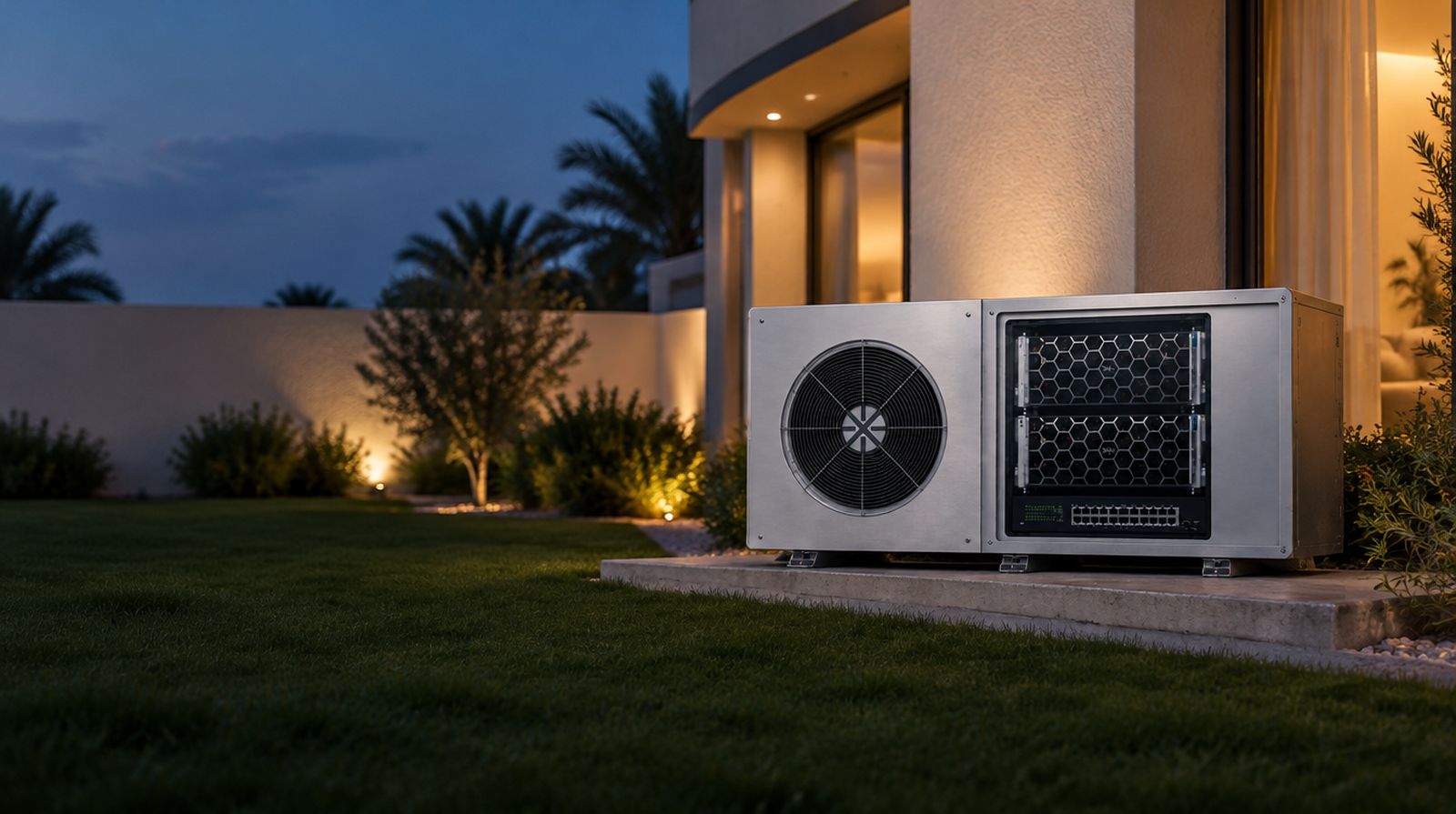
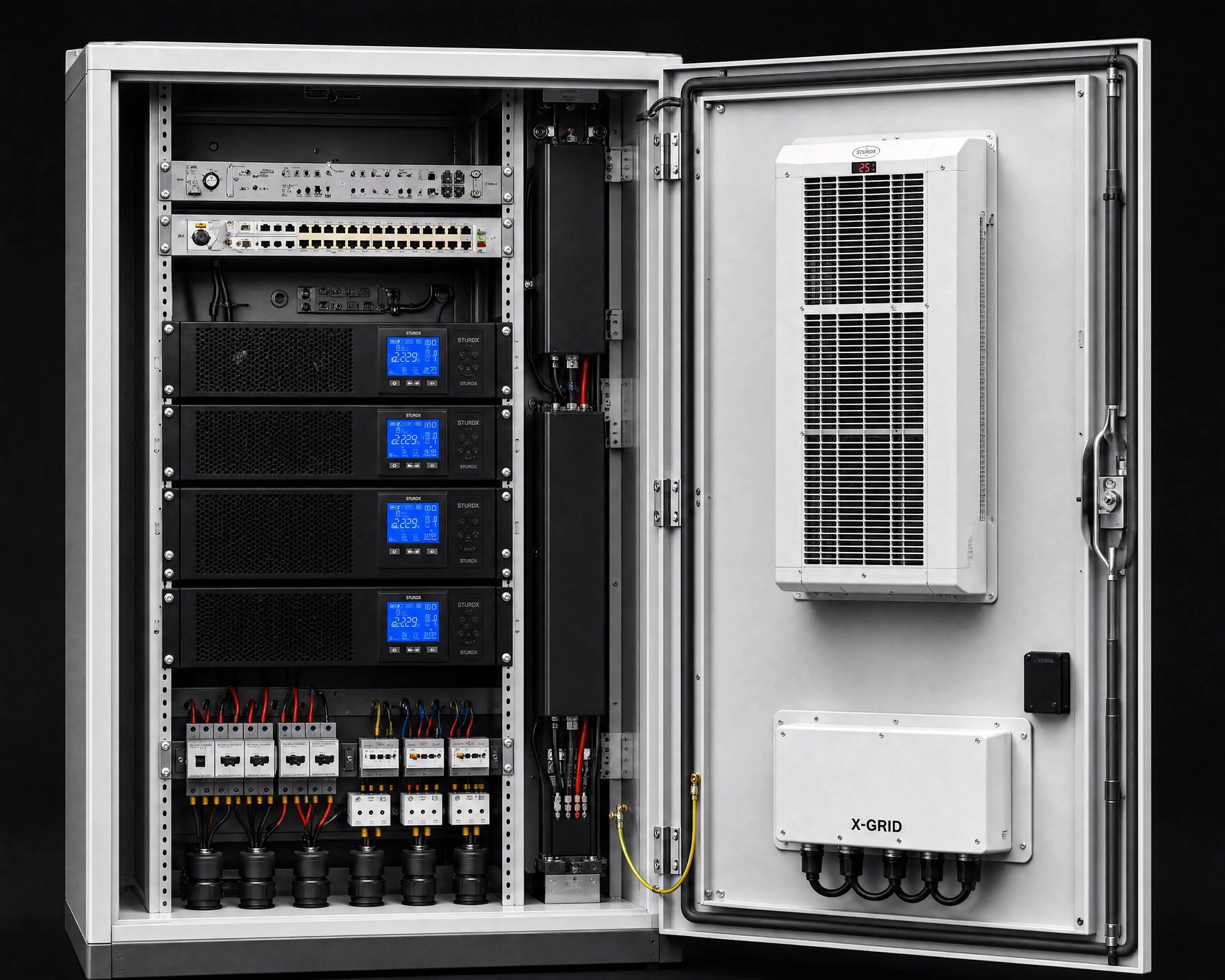
A small unit in your side yard does AI work, using power your home isn't.
Every home runs a node.
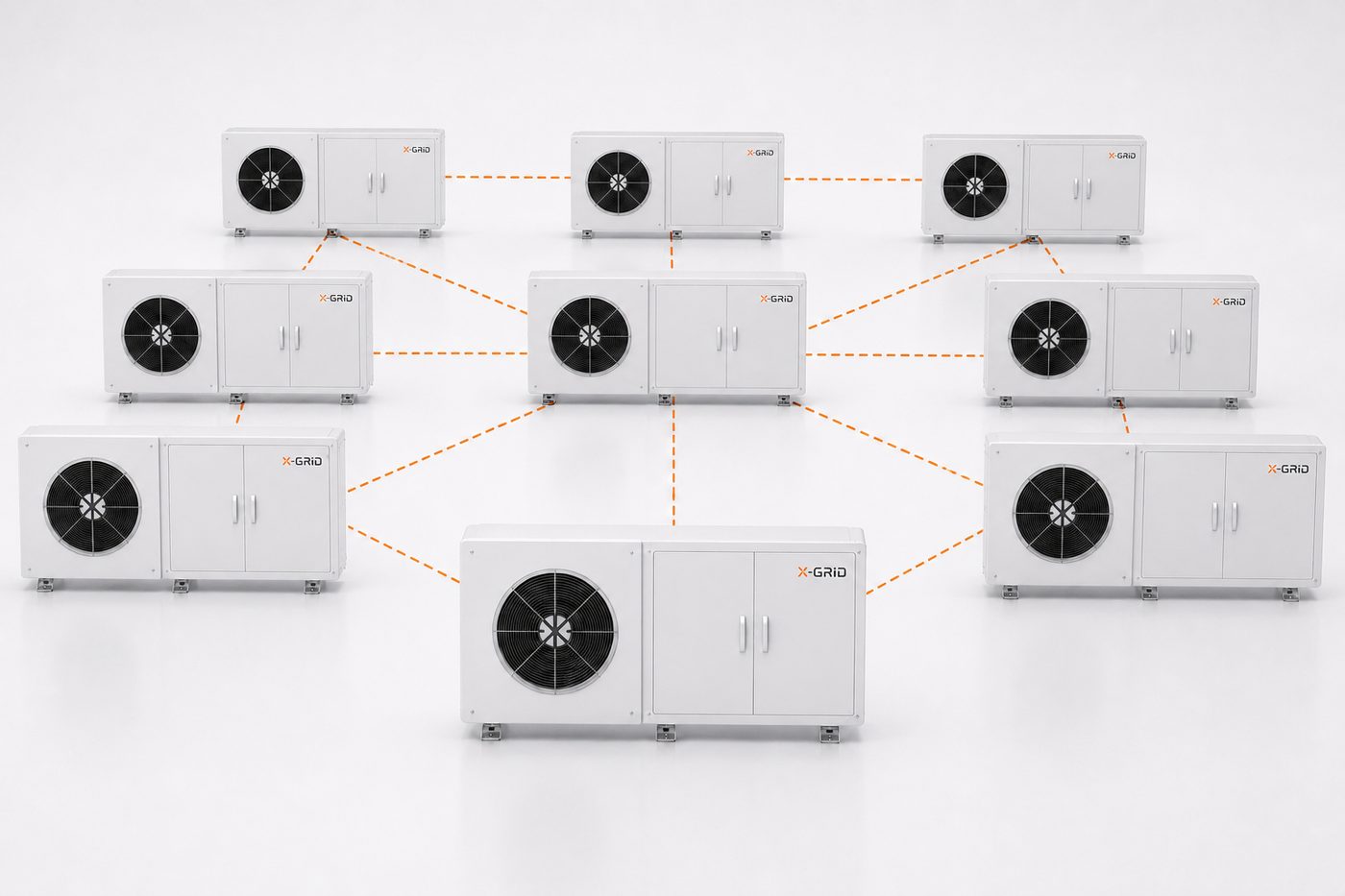
Linked together, they work as one data centre.
AI needs more power than the grid can add.
AI demand is growing 10× a year. Data centres here grow 1.3×. Meanwhile, about half of the power a home is connected to goes unused off-peak.
Thousands of homes instead of one huge building.
Before: 200 MW in one campus.
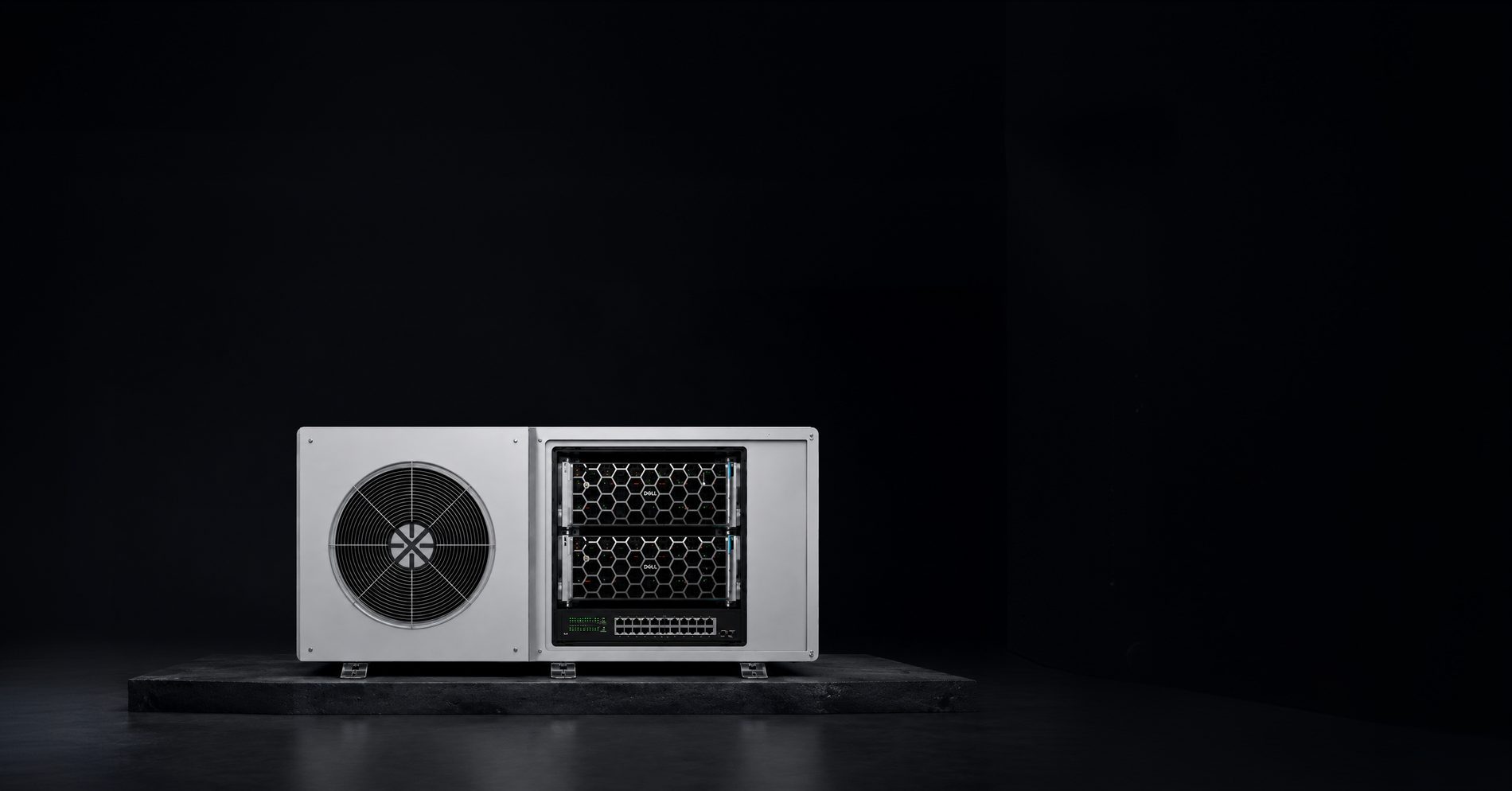
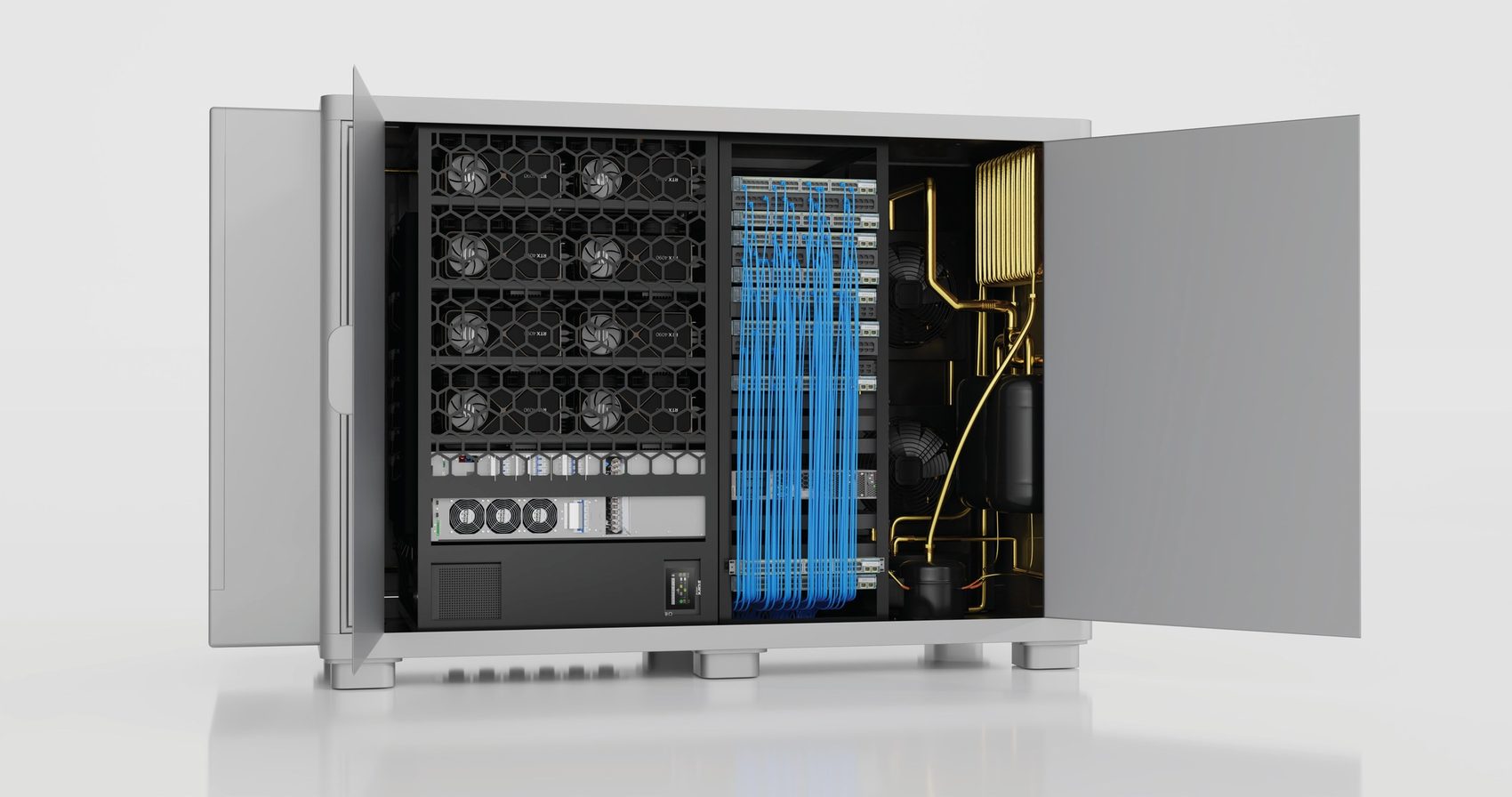
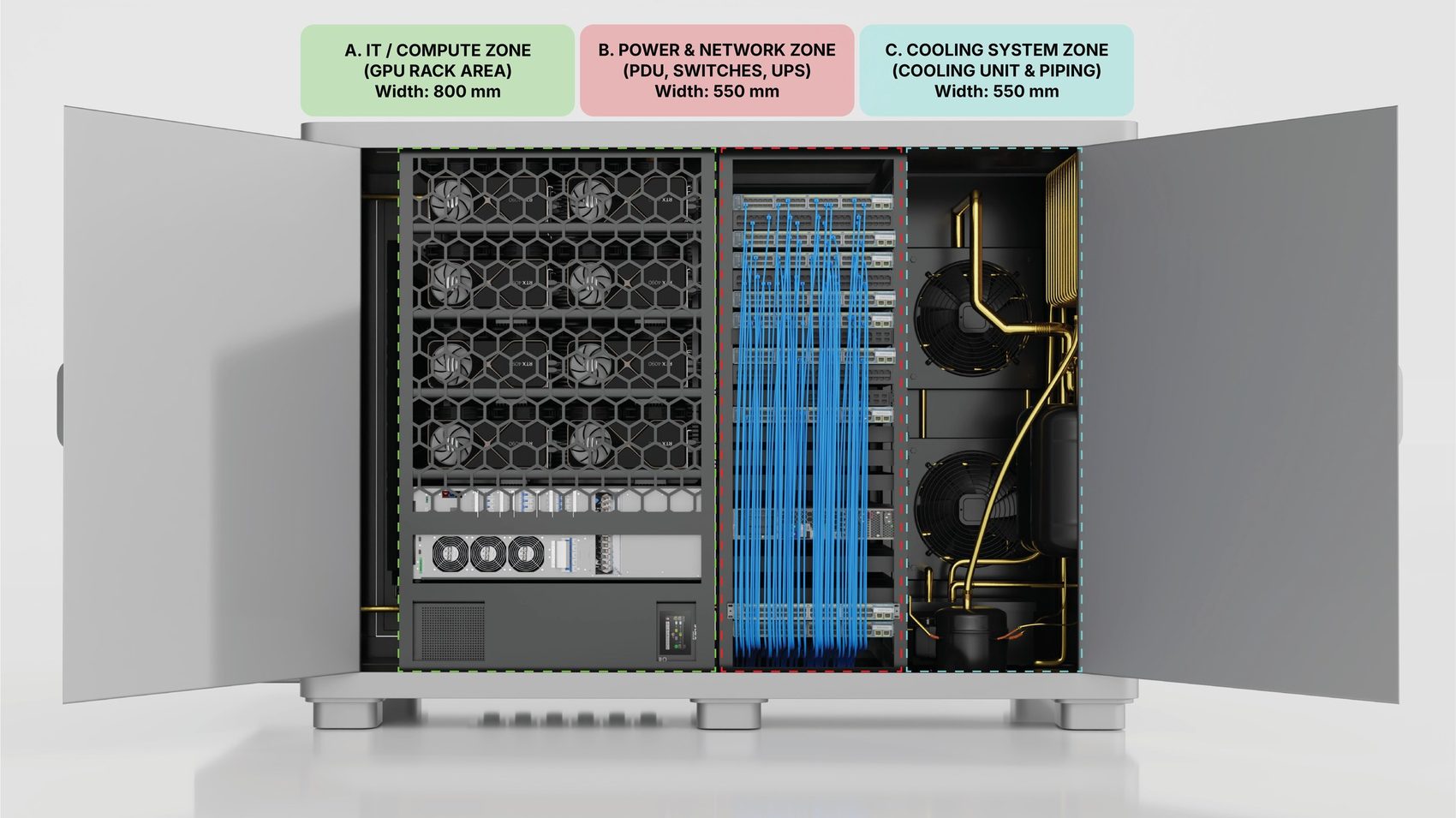
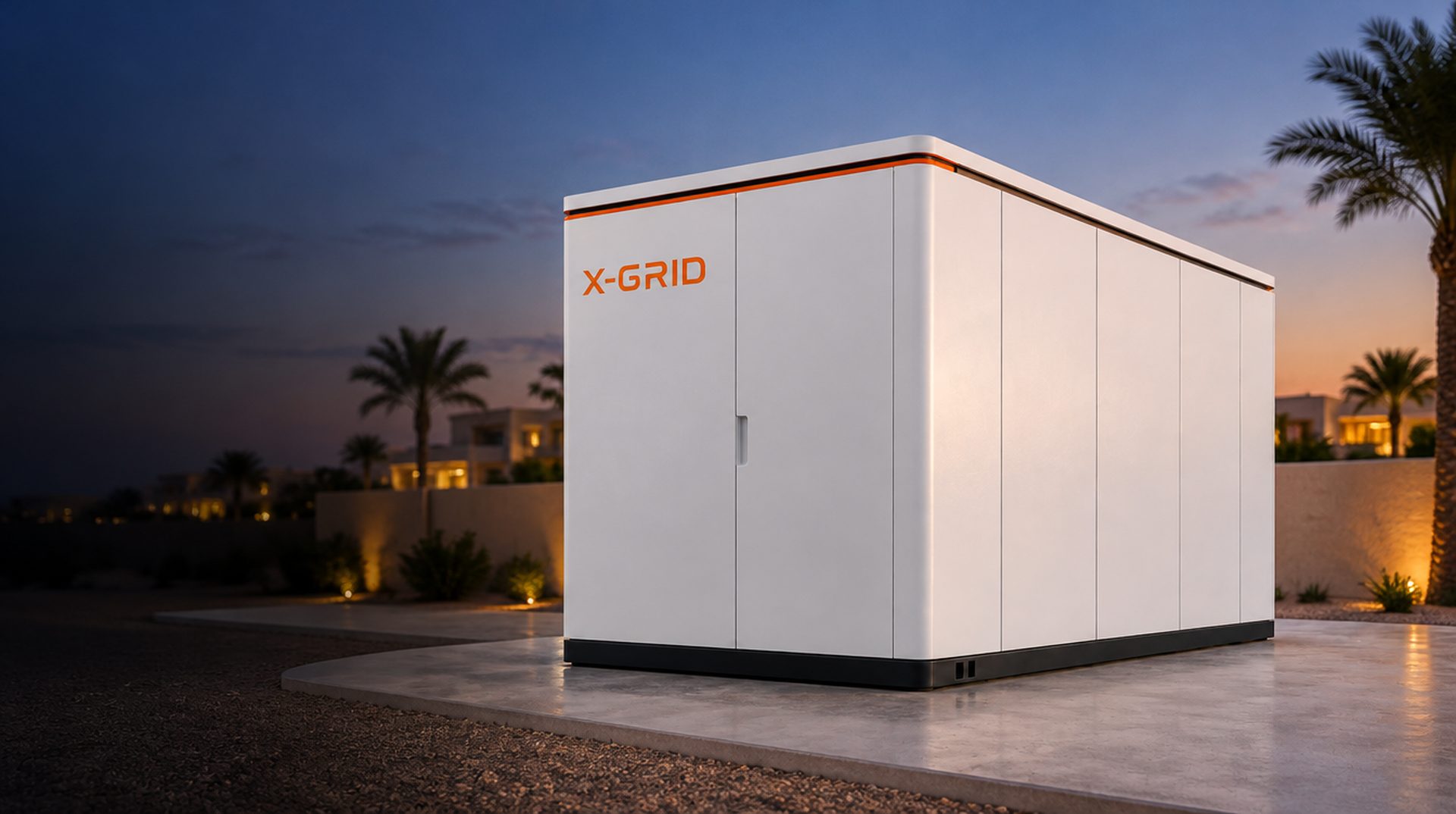
A sealed unit, installed in a day.
Full specs
Homes share the work between them.
- You askYour request lands at the nearest home.
- Neighbours pick it upIt spreads home to home. Nothing sits in the middle.
- Everyone does a partEach home runs a piece of the job.
- One drops out, nothing stopsIts neighbours take over the work.
- You get one answerThe pieces come back through the homes to you.
Two ways to join: one node, or a Pod.
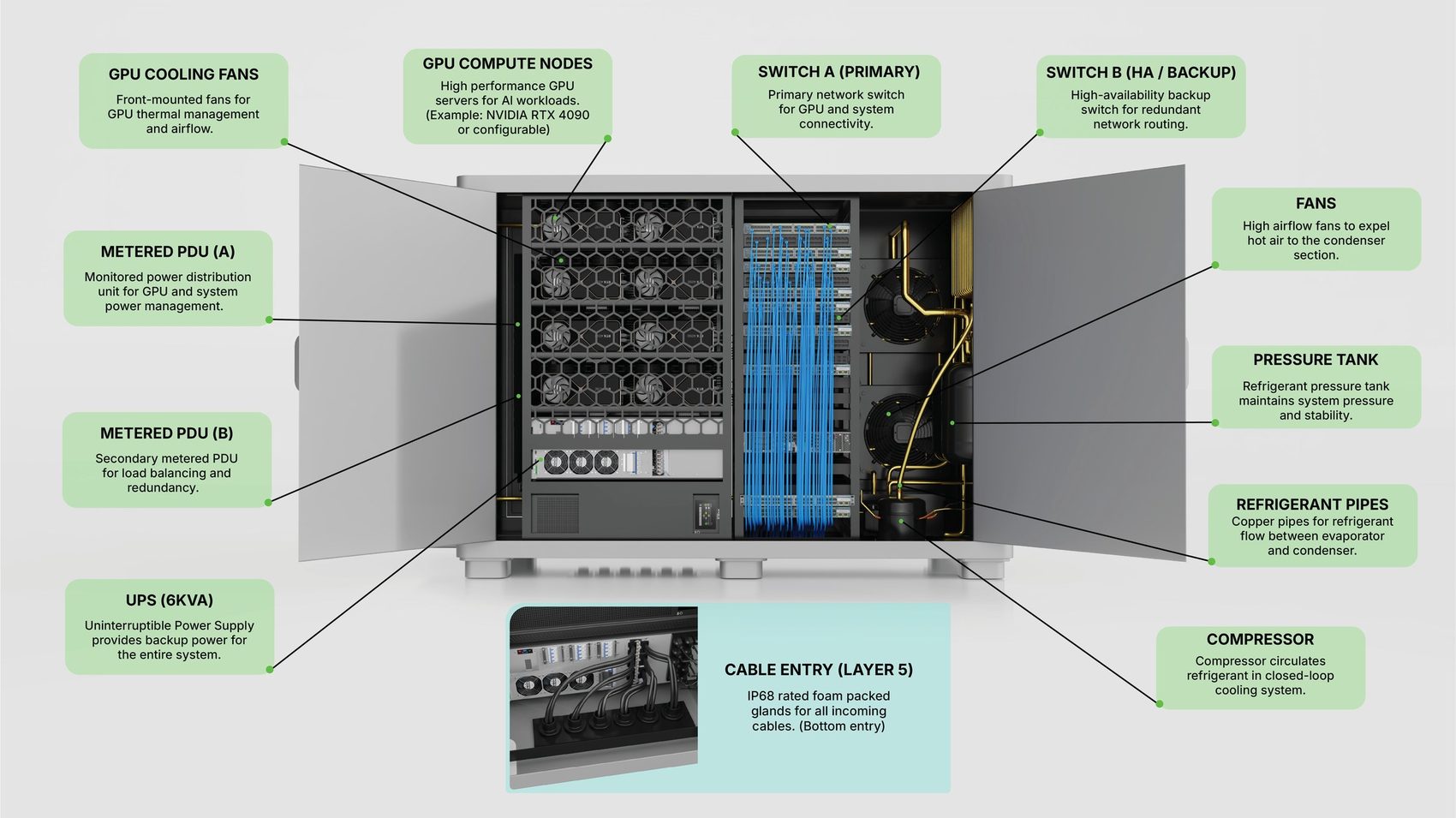
A sealed unit beside your villa. Installed in a day, running on power your home isn't using.
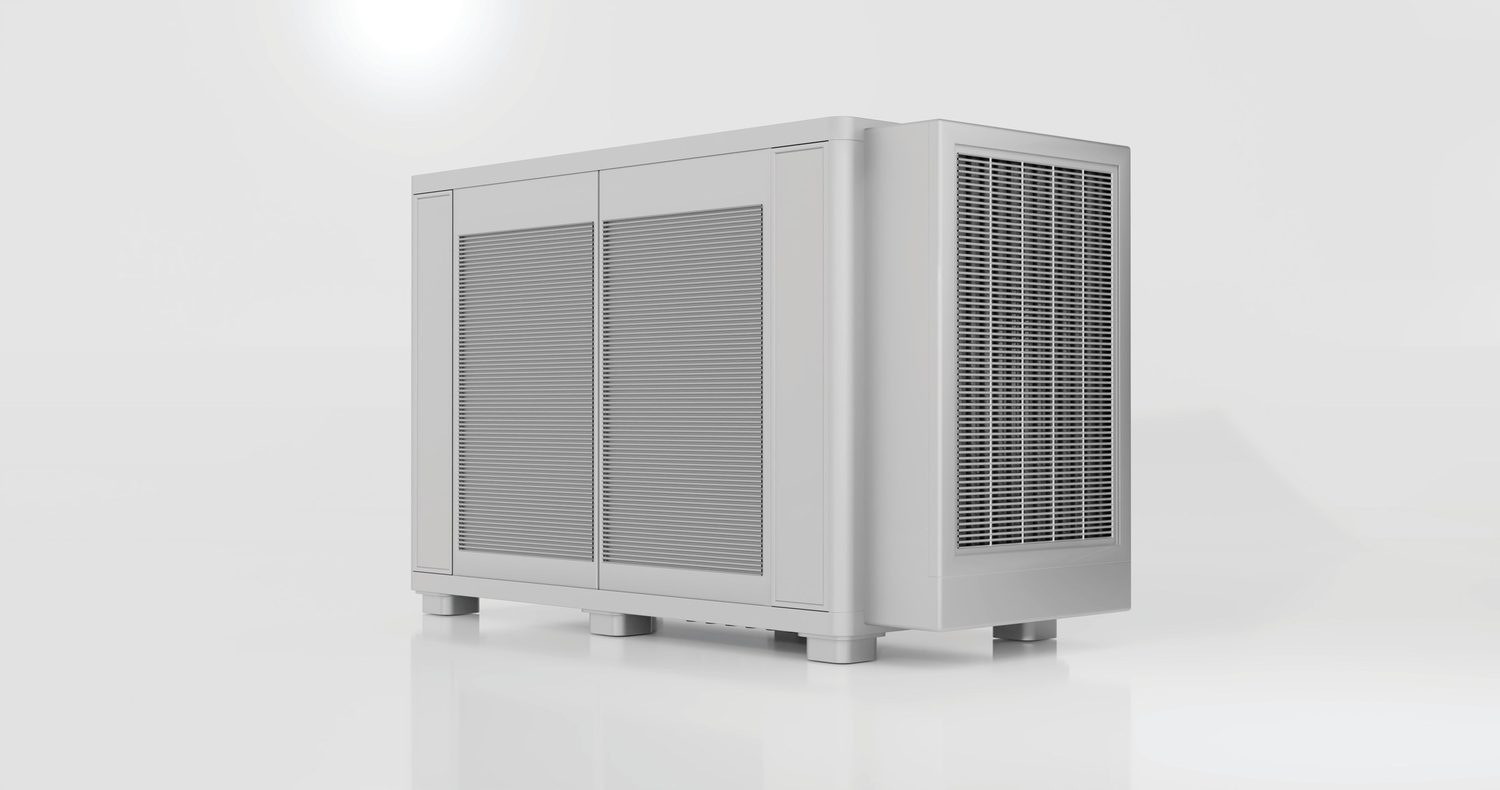
A compact, self-contained module. It ships quickly, installs in weeks, and joins the mesh anywhere power is available.
All Pod specs
Compare side by side
| Single node | Pod | |
|---|---|---|
| GPUs | 4 | 72 |
| GPU memory | 384 GB | ~10 TB |
| GPU-hours a year | 35,040 | 630,720 |
| Power | 6.1 kW | ~90–110 kW |
| Deploy | 1 day | 2–4 weeks |
| Footprint | 1.8 m² | ISO module |
| Cooling | Closed refrigerant loop | Sealed liquid loop + free air |
| Where | Beside a villa | Anywhere power is available |
Nobody at the site can see the data.
Every job stays encrypted while it runs, and every node must prove it is genuine before it can join.
Every home that joins adds to the network.
Tap any home to add it. Each one links to its neighbours.
How homes link up
Devices join one elastic fabric. Compute is pooled, scheduled and load-balanced, and the network grows with each device that joins.